
For years, choosing low-fat dairy seemed like the obvious way to make a healthier choice. But is less fat always better? Not necessarily. A 2026 study published in The Journal of Nutrition found that adults who consumed more full-fat dairy did not experience increases in body weight, body fat, blood glucose, or blood lipids during the 12-week study. The higher-dairy groups also had lower systolic blood pressure and higher intakes of nutrients such as calcium and protein. This does not mean full-fat dairy is automatically healthier for everyone, but it does suggest that we should look at the whole food instead of judging it by its fat content alone.
The popularity of low-fat foods has a long history. For decades, dietary advice focused heavily on reducing total fat and, in particular, saturated fat because of its relationship with LDL cholesterol and cardiovascular health.
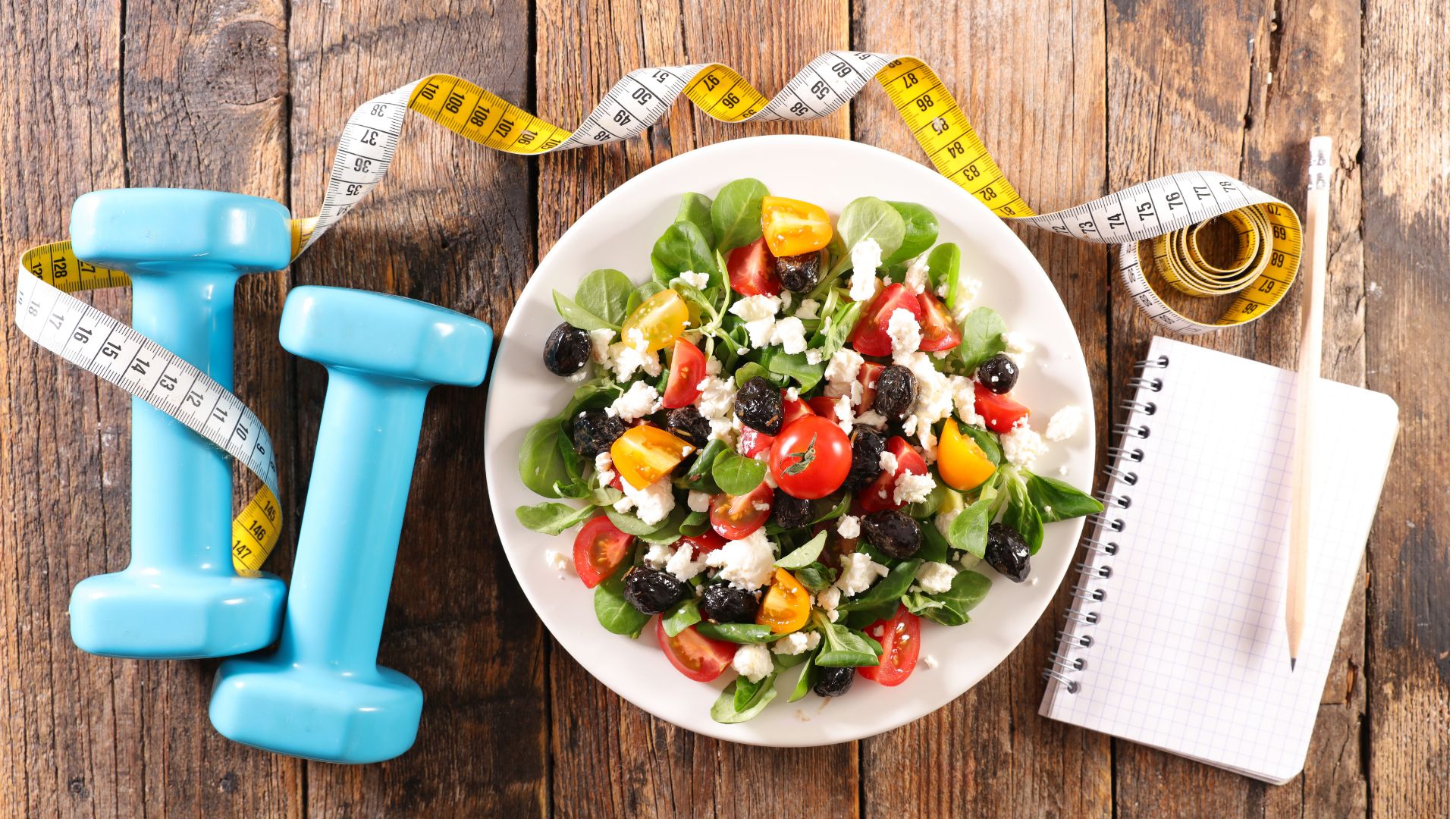
The message was easy to understand: if fat contains more calories per gram than carbohydrates or protein, then eating less fat should theoretically mean eating fewer calories.
That logic made low-fat products extremely popular. Supermarket shelves filled with low-fat milk, yogurt, cheese, and other products, and many people started to associate “low-fat” with “healthy.”
But food is more complicated than a single number on a nutrition label.
Removing fat can change the taste, texture, and overall eating experience of a food. Fat contributes to creaminess and richness, so taking it away can make some products taste thinner or less satisfying.
Depending on the product, manufacturers may use other ingredients to improve flavor or texture. Some flavored low-fat dairy products, for example, may contain added sugar. This does not mean every low-fat product is high in sugar, but it is a good reminder to look at the entire ingredient list rather than focusing only on the fat content.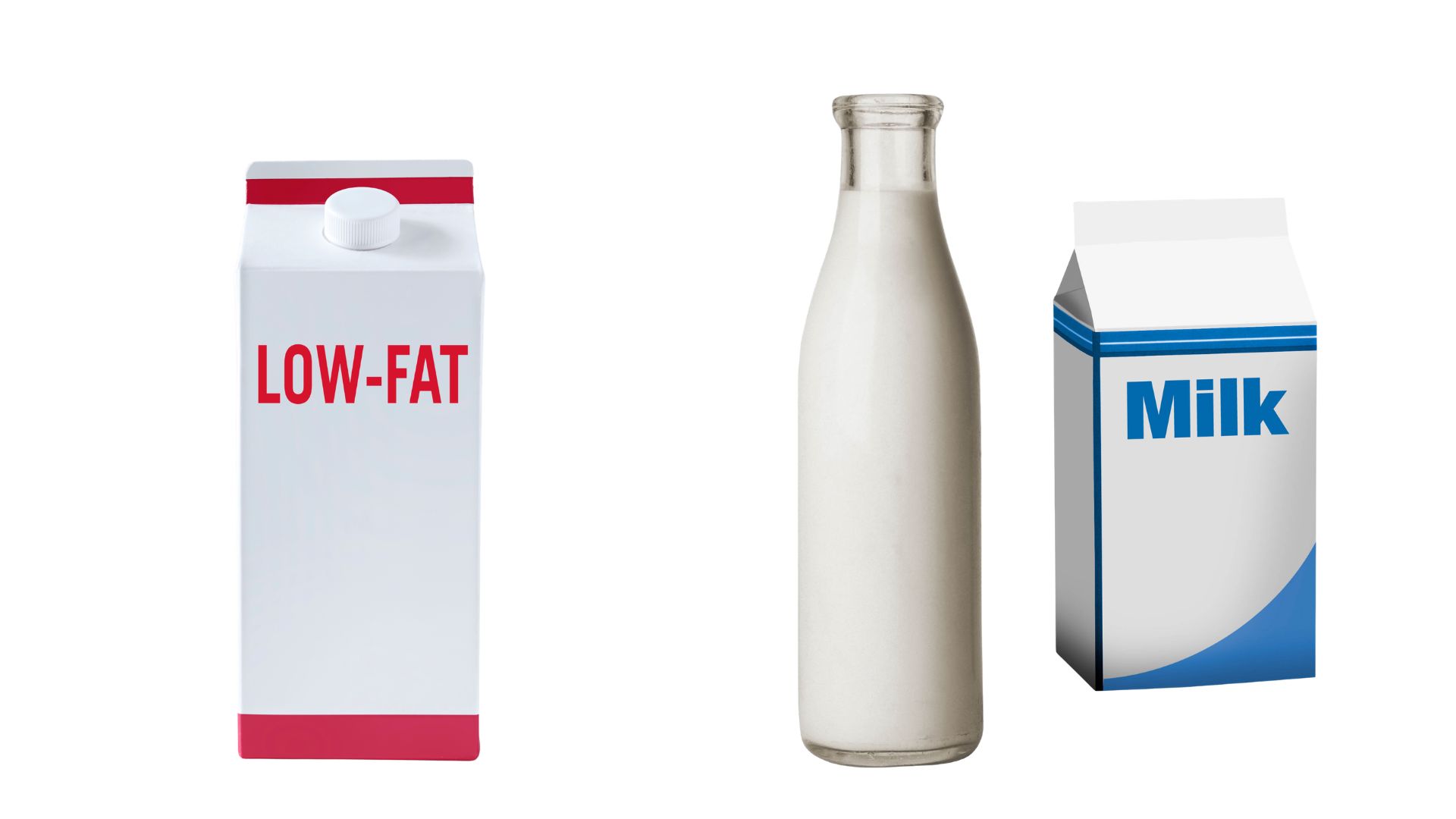
Low-fat dairy generally refers to milk and dairy products from which some or most of the naturally occurring milk fat has been removed.
Common examples include skim milk, reduced-fat milk, low-fat yogurt, and reduced-fat versions of some cheeses.
The exact definition varies depending on the product and labeling rules, but the basic idea is simple: these products contain less milk fat than their full-fat counterparts.
One thing worth remembering is that fat and sugar are two different things.
A low-fat yogurt can still contain a significant amount of added sugar, while a plain full-fat yogurt may contain no added sugar at all. That is why comparing the nutrition facts and ingredient list is often more useful than simply looking for the words “low-fat” on the front of the package.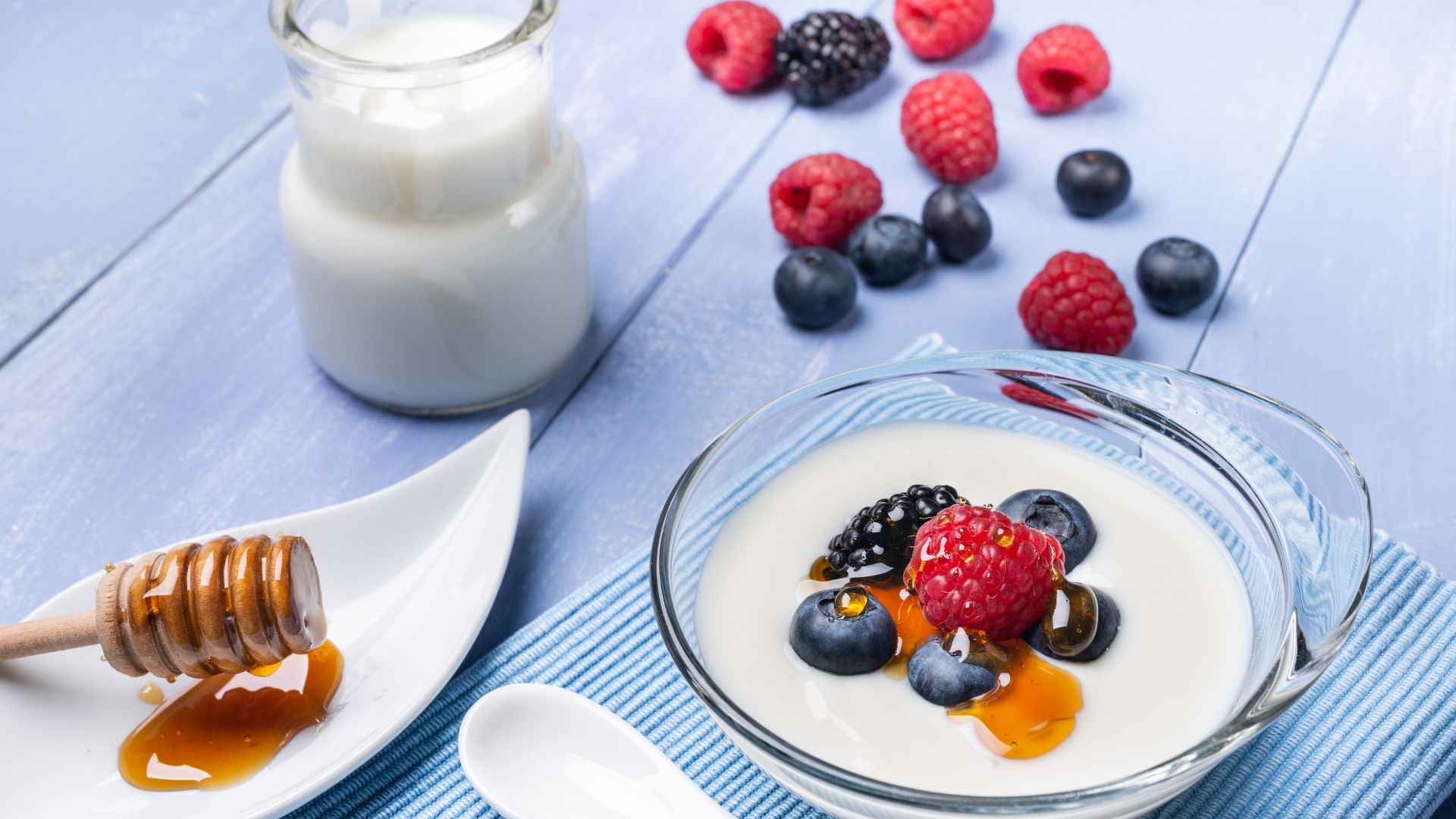
Full-fat dairy products are those that retain most of the naturally occurring milk fat.
Some familiar examples include whole milk, full-fat Greek yogurt, whole-milk yogurt, heavy cream, half-and-half, full-fat cheese, cream cheese, sour cream, and butter.
These foods are quite different from one another nutritionally. Milk and yogurt provide protein and calcium, while butter is much more concentrated in fat. So it would be misleading to treat all full-fat dairy products as nutritionally identical.
The fact that full-fat dairy can fit into a healthy diet does not mean that more is always better.Full-fat dairy generally contains more calories than its reduced-fat counterpart, and many dairy products are significant sources of saturated fat. Portion size and the rest of the diet still matter.

One of the most obvious advantages of full-fat dairy is something we notice immediately: taste.
Fat contributes to richness, smoothness, and mouthfeel. Full-fat yogurt tends to feel creamier, cheese has a fuller flavor, and whole milk has a richer texture than skim milk.
For many people, that extra satisfaction can make a meal feel more complete.
The 2026 study by Anderson and colleagues looked at adults with overweight or obesity who consumed three daily servings of full-fat dairy for 12 weeks.
The researchers found no significant increases in body weight, body fat, blood glucose, HbA1c, or blood lipids. At the same time, participants consuming more dairy had higher intakes of nutrients including calcium and protein, while systolic blood pressure improved.
These findings are interesting because they challenge the assumption that consuming full-fat dairy automatically leads to weight gain or worse metabolic health.
However, it is important not to take the study too far.
The research does not prove that the fat in dairy itself caused the improvements, nor does it show that full-fat dairy is better for every person. It was also a relatively short 12-week intervention.
What it does highlight is a broader idea: we should consider the whole food rather than judging it by one nutrient.
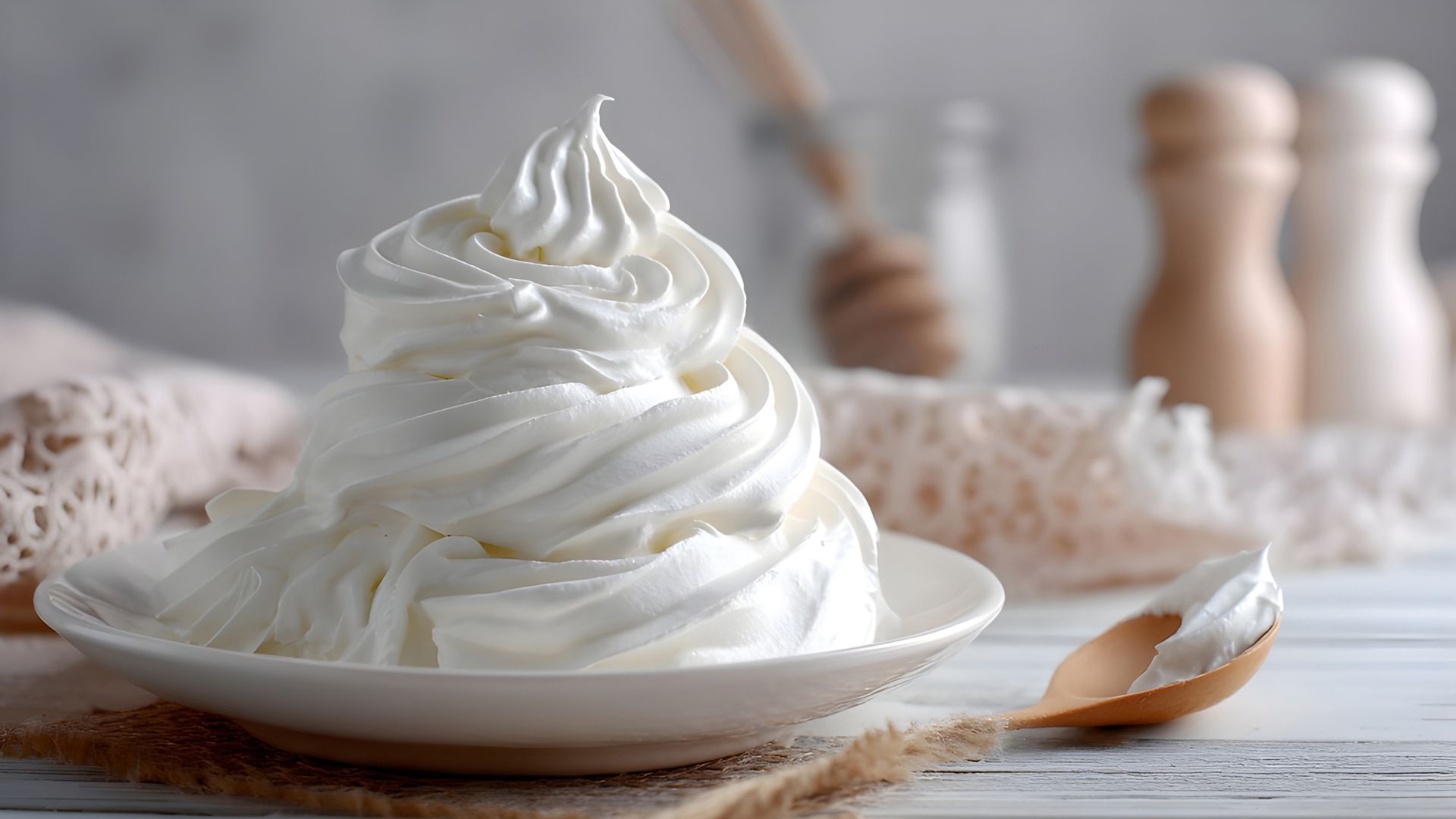
When it comes to whipped cream, the role of fat becomes especially easy to understand.
Heavy cream contains enough milk fat to create a stable structure when it is whipped. As air is incorporated, the fat globules help form a network that holds the air bubbles in place, giving whipped cream its familiar light and fluffy texture.
That is why low-fat milk or lighter dairy products generally cannot produce the same kind of whipped cream.
This is a good example of why “less fat” does not always mean “better.”
If you remove too much fat from cream, you also change what the ingredient is capable of doing in a recipe. The result may be thinner, less creamy, and much more difficult to whip into a stable foam.
For some foods, fat is not simply an ingredient that adds calories. It also plays an important role in texture, flavor, and cooking performance.
There is something particularly appealing about making whipped cream at home.
Instead of buying a ready-made dessert or pre-packaged whipped topping, you can start with fresh heavy cream and decide exactly what goes into it. You can control the amount of sweetener, choose your preferred flavor, and adjust the texture depending on how you plan to use it.
For people who pay attention to ingredients, this can be a simple way to make desserts feel a little more personal.
Homemade whipped cream does not need to be extremely sweet.
If you are serving it with strawberries, pancakes, waffles, or another naturally sweet dessert, you may only need a small amount of sugar. You can also add vanilla or another flavoring to give the cream more character without making it overly sweet.
That flexibility is one of the nicest things about making it yourself.
For good whipped cream, the starting ingredient matters.
Cold heavy cream with a sufficiently high fat content provides the structure needed for whipping. Keeping the cream and equipment properly chilled can also help produce a smoother and more stable result.
This is one situation where choosing full-fat dairy is not simply a nutritional preference—it is part of the recipe itself.
If you want a faster and more convenient way to make fresh whipped cream at home, a 8g whipped cream charger can be paired with a compatible whipped cream dispenser.
The basic idea is simple: pour chilled heavy cream into the dispenser, add your preferred sweetener or flavoring, seal the dispenser, and charge it according to the manufacturer's instructions. The nitrous oxide helps aerate the cream, creating a light and smooth whipped texture when the dispenser is used.
Compared with whipping cream by hand or with an electric mixer, using nitrous oxide cartridges can make the process quick and convenient, especially when you only need a small amount of fresh whipped cream.
It also makes it easy to prepare the cream right before serving, whether you are topping fresh fruit, coffee, pancakes, waffles, or homemade desserts.
The conversation around dairy does not have to be a competition between “low-fat is healthy” and “full-fat is healthy.”
Low-fat dairy can be a useful choice for people who want to reduce calories or saturated fat. Full-fat dairy can also be part of a balanced diet, and recent research suggests that consuming full-fat dairy does not automatically result in weight gain or poorer metabolic health.
The more useful approach is to look at the food as a whole. Consider its protein, calcium, added sugar, ingredients, portion size, and how it fits into the rest of your diet.
Sometimes, choosing a less processed and more satisfying food makes more sense than automatically choosing the product with the lowest fat content.
And when it comes to making fresh whipped cream at home, full-fat cream is not just a matter of preference. It is the ingredient that gives the cream the richness, structure, and texture that make whipped cream what it is.


