
When people talk about the biggest names in fast food, Biscuitville probably isn't the first restaurant that comes to mind. It doesn't have the nationwide footprint of McDonald's or Chick-fil-A, and its name isn't nearly as recognizable across the country.
But that may actually be part of the reason it works so well.
According to the recent Fox News report, Biscuitville has been voted the best fast-food breakfast by USA TODAY's 10Best Readers' Choice Awards for the fourth consecutive year. It beat much larger names, including McDonald's and Chick-fil-A. The chain currently operates in North Carolina, South Carolina and Virginia, with about 90 locations.
That is an impressive result for a restaurant that has never tried to be everything to everyone.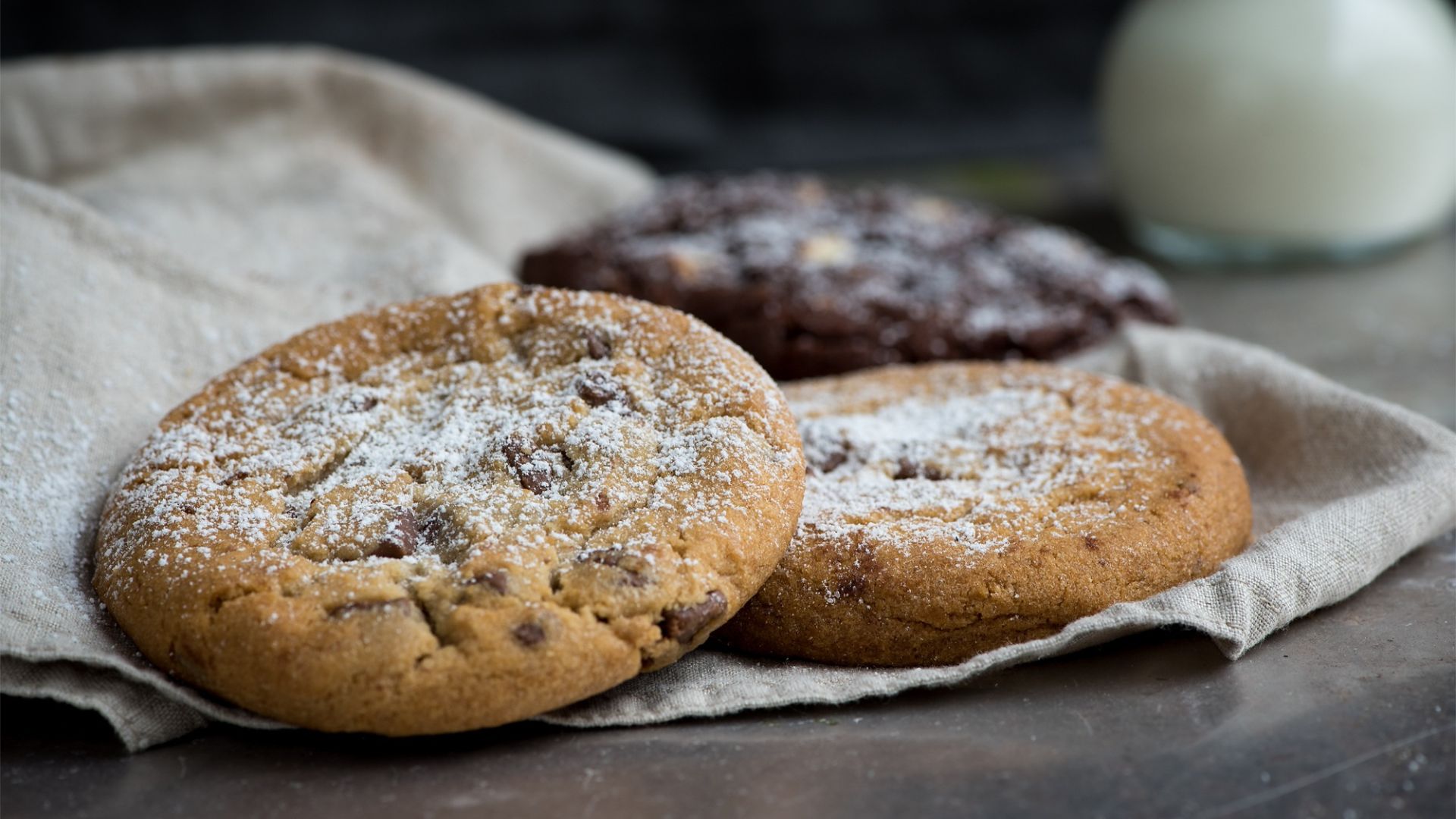
Biscuitville's identity is extremely easy to understand: Southern breakfast built around fresh biscuits.
The company makes biscuits from scratch throughout the day, with biscuits reportedly prepared every 15 minutes. It also emphasizes hand-cracked eggs and fresh ingredients rather than relying heavily on pre-cooked food or microwaves.
As someone who pays attention to why people actually return to restaurants, I think this matters more than it may seem.
Customers don't always remember every ingredient in a sandwich. They remember the experience. They remember that biscuit that tasted homemade. They remember the smell when they open the bag. They remember that the food felt like something a family member could have made at home.
That emotional connection is difficult for a national chain to manufacture.
Little Blue Menu came from a very different idea.
Created by Chick-fil-A, the concept was designed as an innovation kitchen where the company could experiment with foods outside its traditional menu. The concept began testing in Nashville in 2021 before expanding into a standalone location in College Park, Maryland, in 2023.
Instead of focusing on one signature category, Little Blue Menu offered customers a much wider range of choices.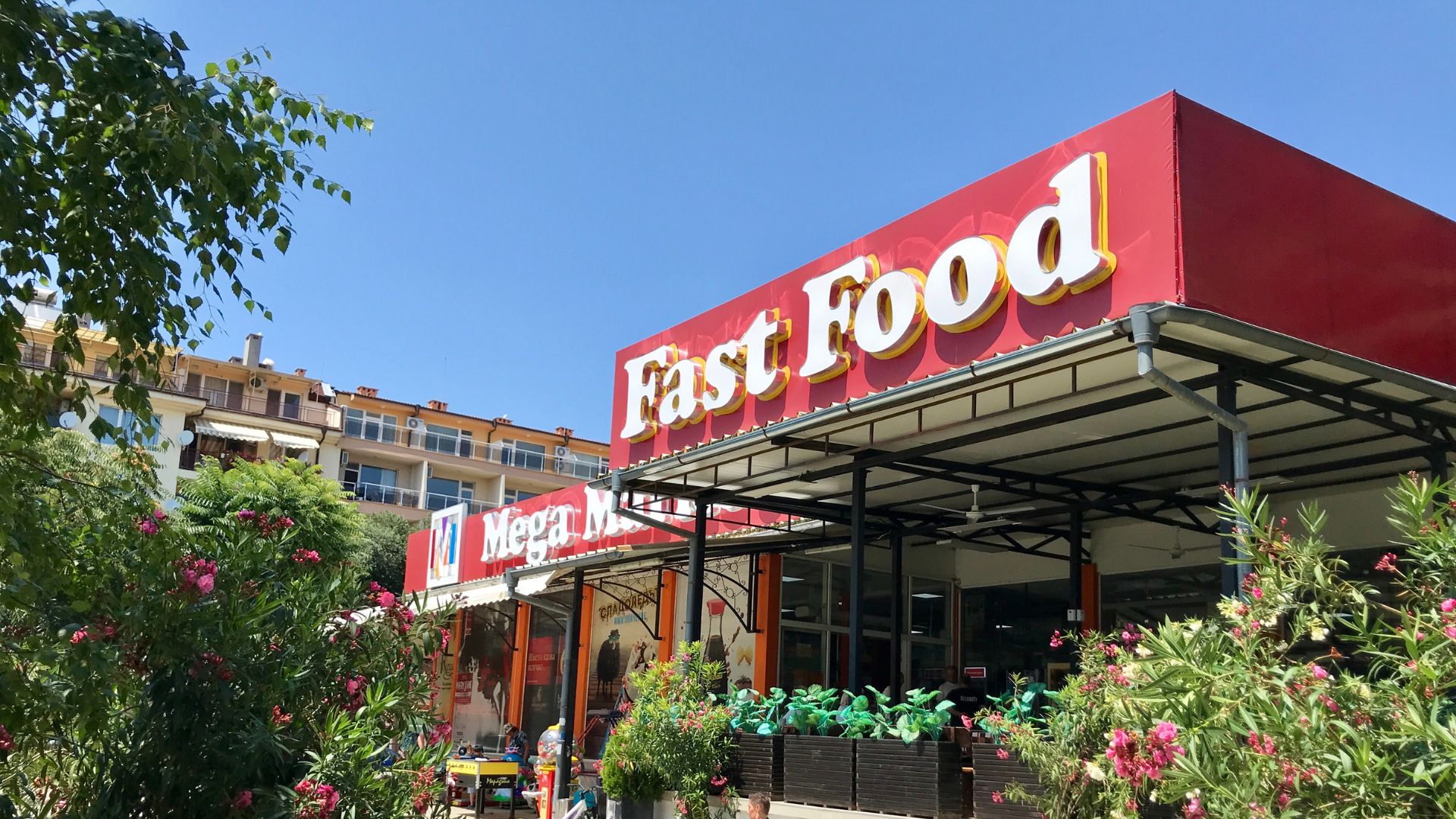
The concept combined familiar Chick-fil-A products with new items such as burgers, bone-in wings, onion rings, sweet potato tots, Brussels sprouts and other experimental dishes. It even introduced several pizza options in 2024.
On paper, this is a fascinating restaurant model.
It gives chefs room to experiment. It gives customers something they cannot easily get at a standard Chick-fil-A. And it gives the parent company a real-world environment for testing new ideas.
In other words, Little Blue Menu was never really designed to be just another burger or chicken restaurant. It was an experiment.
And that distinction is important.
This is where I think the contrast with Biscuitville becomes especially interesting.
Little Blue Menu could do things that a traditional Chick-fil-A restaurant could not. It could introduce new flavors, test different formats and observe how customers responded.
Chick-fil-A itself described the concept as an “innovation” or “test-and-learn” concept designed to explore new ways of serving guests.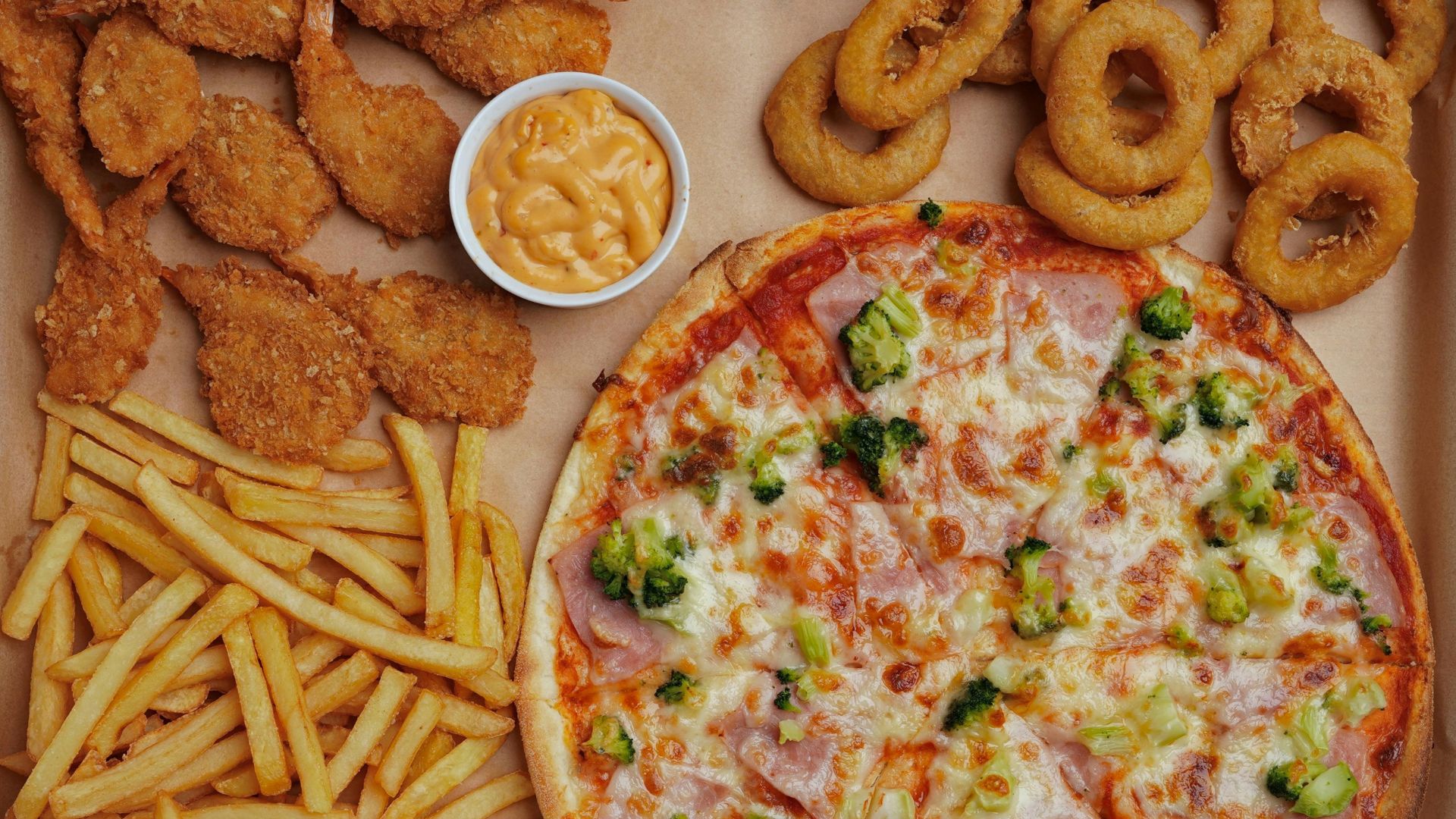
But in August 2026, Chick-fil-A confirmed that the remaining Little Blue Menu location in College Park will close in 2027 and transition into a traditional Chick-fil-A restaurant.
I don't think that necessarily means Little Blue Menu was a failure.
Actually, I think the opposite may be true.
An experiment does not have to become a permanent restaurant to be successful. If a company learns which products customers want, which service models work, which operational challenges are expensive and which ideas can be incorporated into the core business, the experiment has already created value.
Looking at these two concepts side by side, I would argue that restaurants need four things more than almost anything else: identity, consistency, operational efficiency and a reason for customers to return.
Biscuitville is easy to understand.
If you want a Southern breakfast and a freshly made biscuit, you know what the restaurant stands for.
Little Blue Menu was intentionally broader. That made it exciting, but it also made the concept harder to define.
This is one of the biggest challenges for restaurant owners. A menu can grow faster than a brand identity.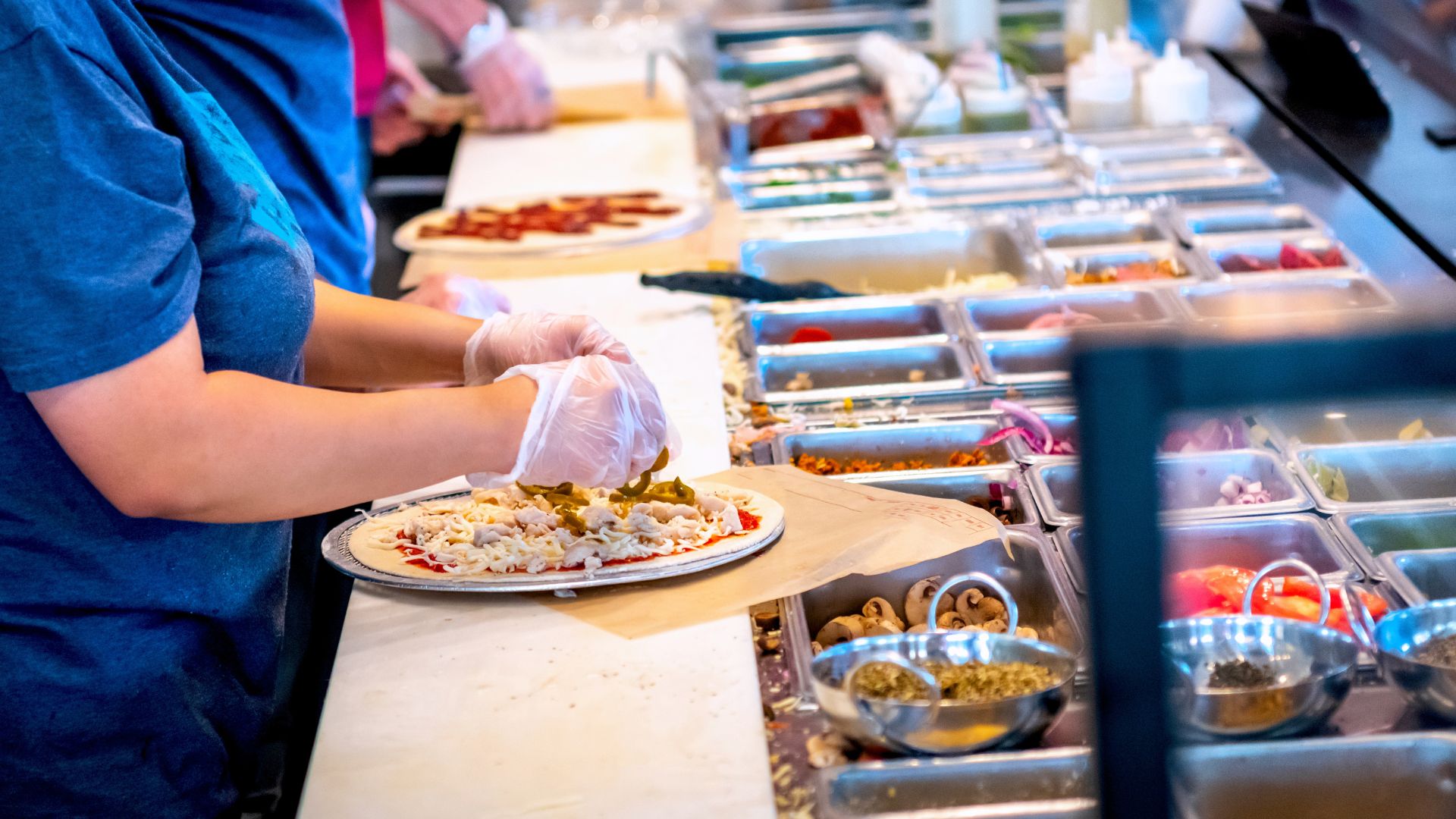
Adding another burger, another sauce, another dessert and another seasonal drink may seem like an easy way to attract customers. But eventually, a restaurant can reach the point where customers ask a simple question:
What are you actually known for?
The strongest restaurants usually have a clear answer.
Fresh food gets people through the door once. Consistency brings them back.
Biscuitville's focus on scratch-made biscuits is not just a marketing story. It creates a product that customers can associate with the brand.
That is especially important in fast food because customers are often buying convenience and familiarity at the same time.
They want their breakfast quickly, but they also want it to taste like the breakfast they remember.
A restaurant that can deliver that combination has a major advantage.
This is the part customers rarely see.
When a restaurant is busy, the kitchen has to produce large quantities of food without allowing quality to fall apart. Employees need equipment that is reliable, ingredients need to be easy to manage, and preparation needs to be repeatable.
A creative menu means very little if the kitchen cannot execute it during the morning rush.
This is why I think restaurant equipment deserves much more attention than it usually gets in conversations about successful food businesses.
The customer sees the biscuit, sandwich, dessert or drink.
The restaurant owner sees the labor cost, preparation time, waste, equipment maintenance and ticket times behind it.
Those two perspectives have to meet somewhere.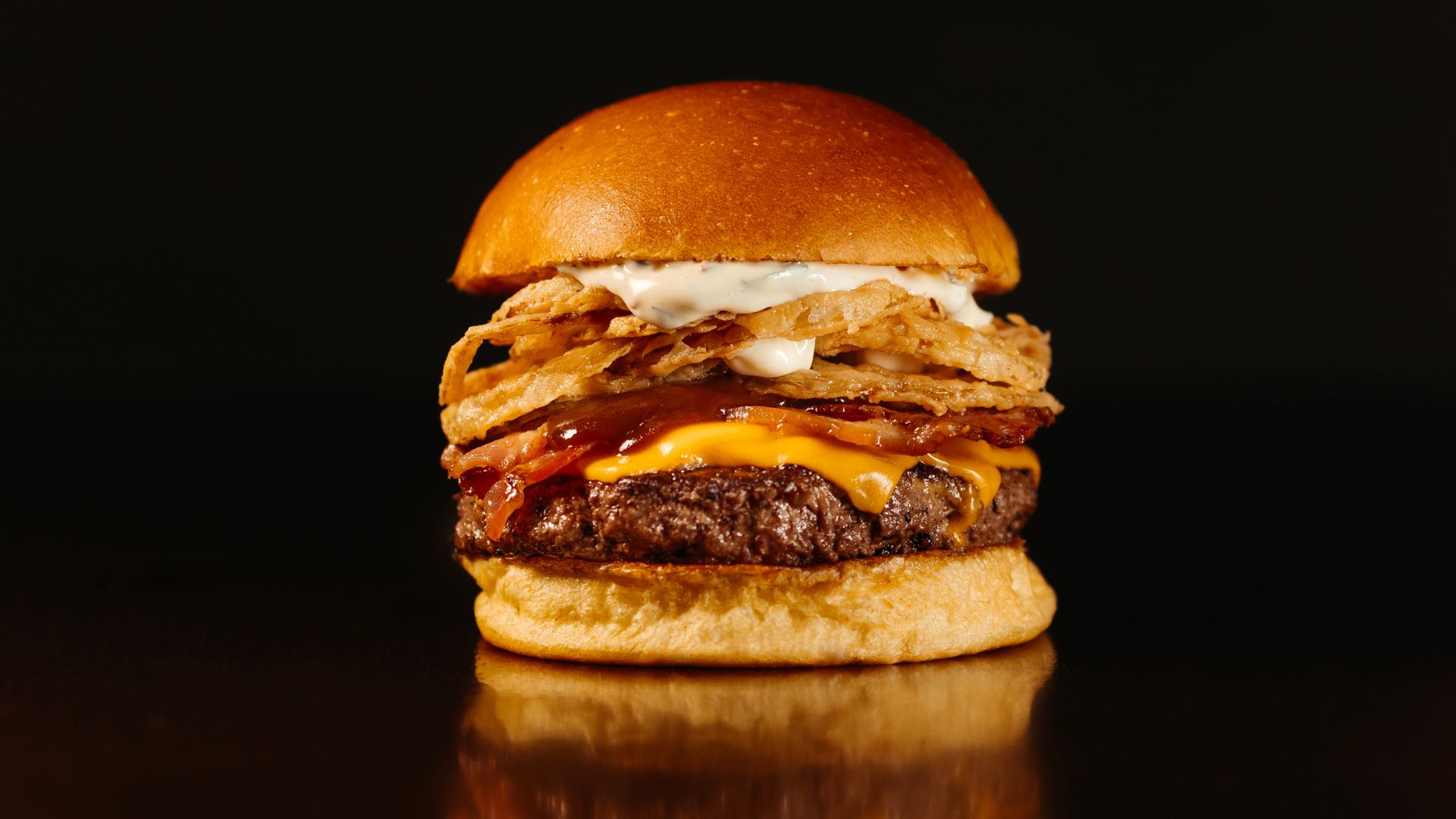
One example is whipped cream and other aerated toppings.
At first glance, whipped cream may seem like a small part of a restaurant's operation. But in cafés, bakeries, dessert shops and fast-casual restaurants, toppings can become part of dozens or even hundreds of orders every day.
The problem is that small tasks become expensive when they are repeated constantly.
If employees spend too much time preparing toppings, refilling equipment or dealing with inconsistent results, the restaurant loses efficiency one small step at a time.
This is where a properly designed commercial kitchen setup can make a noticeable difference.
For businesses that use whipped cream and other food-safe aeration applications at high volume, a 3000g nitrous oxide tank can be considered as part of a larger commercial kitchen workflow.
The important point is not simply having a larger gas supply. It is about matching equipment capacity to actual restaurant demand.
A small café serving a limited number of desserts may not need a large-capacity setup. A busy bakery, beverage shop or dessert operation, however, may need a more efficient way to manage high-volume whipped cream production.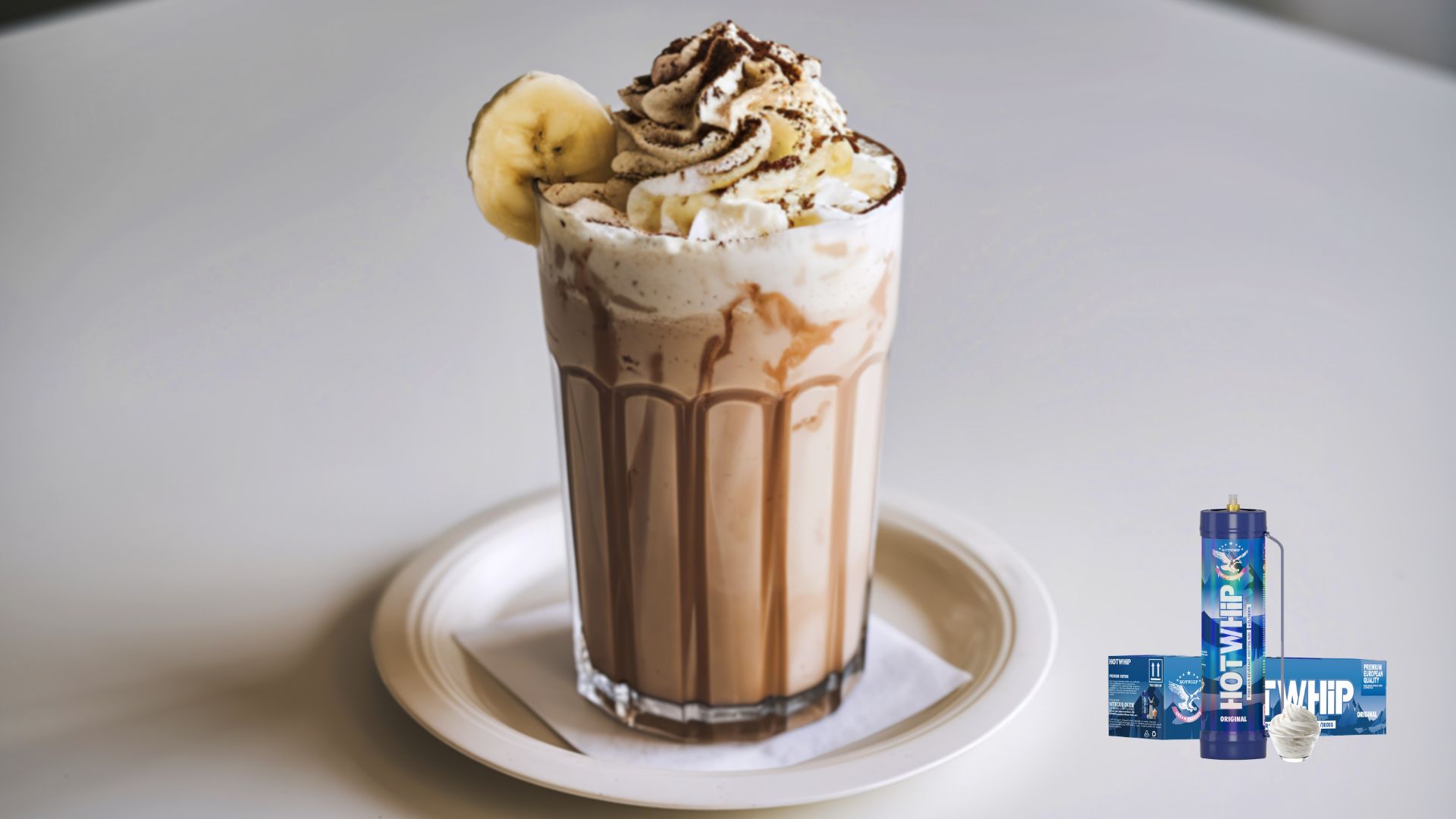
Used with compatible commercial equipment and according to applicable food-safety and handling requirements, a larger-capacity N2O system can help reduce the frequency of replacements and keep production organized.
And this is exactly the kind of detail that connects back to the Biscuitville and Little Blue Menu comparison.
A restaurant doesn't become successful simply because it has interesting food. It succeeds when the entire system behind the food works.
The recipe, equipment, employees, preparation process, service speed and customer experience all have to support one another.
The best restaurant is not necessarily the one with the biggest menu or the most ambitious concept. It is the one that understands its customers, delivers its food consistently and builds an operation capable of doing that every day.
And once a restaurant gets that foundation right, equipment decisions—from cooking stations to refrigeration to high-volume whipped cream systems using a nitrous oxide tank—stop being minor details. They become part of the infrastructure that allows the restaurant's promise to reach the customer, order after order.


